How Precision Agriculture Is Transforming Smallholder Farms in Northern Nigeria
From soil sensors to drone mapping, farmers in Kano and Kaduna are adopting affordable tech that's boosting yields by up to 40%.
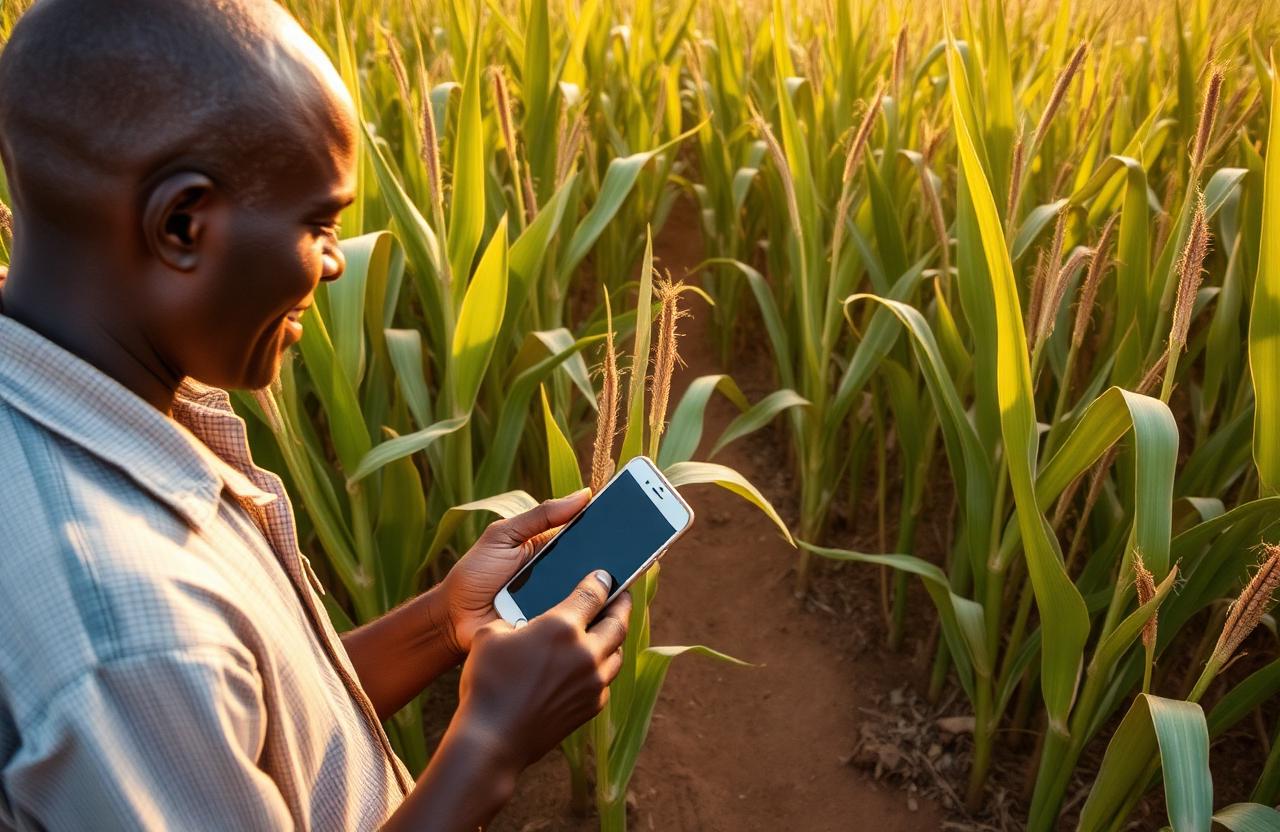
From affordable soil sensors to drone-assisted field mapping, smallholder farmers across Kano and Kaduna states are quietly adopting precision agriculture tools — and reporting yield increases of up to 40%.
For most of Nigeria's 36 million smallholder farmers, the idea of using technology to manage crops has long felt like something reserved for large commercial operations. But that's changing rapidly, driven by a new wave of affordable hardware, smartphone-based tools, and government-backed training programmes.
What is precision agriculture, exactly?
Precision agriculture is the practice of using data and technology to make more informed decisions at specific points on a farm — rather than treating the entire field as if it behaves the same way. In practice, this means collecting information about soil moisture, nutrients, temperature, and crop health, then applying water, fertiliser, and pesticides only where and when they're needed.
"Before, I would spray the whole field whether or not I saw pests. Now I only treat the affected zones. I've cut my pesticide cost by almost half." — Musa Abdullahi, maize farmer, Kano State
The three technologies making an impact
The most accessible entry point is soil sensing. Devices from local startups can be purchased for ₦40,000–₦90,000 and connect directly to a smartphone app, sending push notifications when soil moisture drops below optimal levels.
Drone-as-a-service is the second wave. Operators across the north now charge ₦8,000–₦15,000 per hectare for multispectral mapping that reveals stress, pests and nutrient deficiency long before damage is visible.
Finally, digital farm management platforms like Releaf, Agrorite and AFEX let farmers log activity, receive advisory alerts and — crucially — build the data trail that makes them creditworthy to agricultural lenders.
What are the barriers?
Despite the progress, most smallholders remain locked out. Upfront cost, patchy 4G in rural Northwest and Northeast, low digital literacy among older farmers, and broken post-harvest infrastructure all compound. As one extension officer told us, "Technology can help you grow more food. But if the road to market is broken, you've only increased your losses."
The road ahead
The combination of affordable sensors, drone-as-a-service and digital platforms represents the most accessible entry point into precision agriculture in Nigeria's history. Those who move now are building data histories that will compound in value over time.
Bright covers food systems, agritech and rural development across West Africa. He has reported from 18 of Nigeria's 36 states.
More from FarmPulse
All →
5 Things Every Nigerian Poultry Farmer Must Know Before Expanding in 2026
Regenerative Farming Practices Gaining Ground Across the Middle Belt
Solar-Powered Borehole Systems: The Game Changer for Dry Season Farming