5 Things Every Nigerian Poultry Farmer Must Know Before Expanding in 2026
Before you double your flock size, read this guide on disease management, feed costs, and market timing from Ogun State farmers.
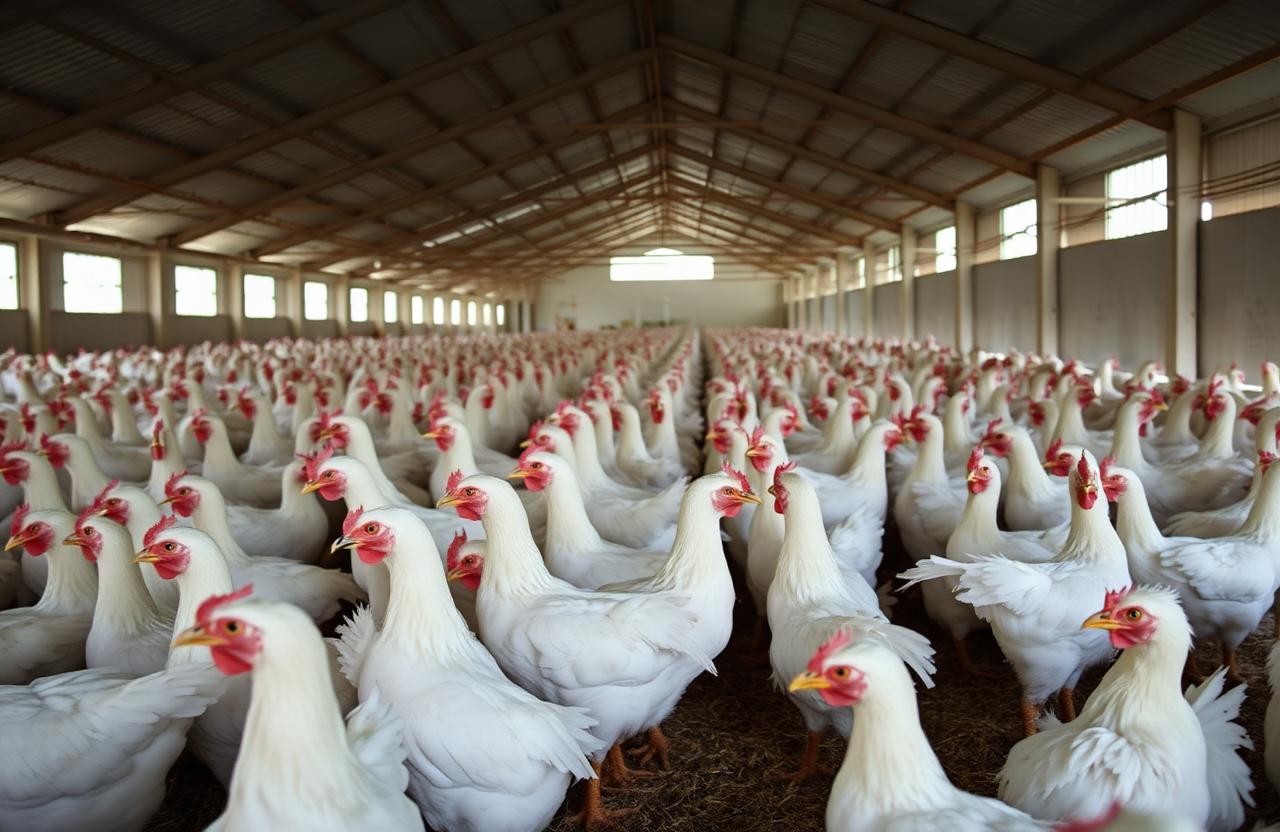
Expansion looks tempting when egg prices spike. But the farmers who survive 2026 will be the ones who plan around feed, biosecurity and offtake — in that order.
1. Feed is 70% of your cost. Lock it before you scale.
Maize and soybean meal volatility is the single biggest reason small poultry operations fail in their second year. Forward contracts with a co-op or a trusted aggregator beat spot-market roulette every time.
2. Biosecurity isn't optional anymore
Avian influenza outbreaks have hit at least 14 states since 2024. Footbaths, restricted entry, and an isolation pen for new birds are the minimum bar — not a nice-to-have.
3. Know your offtake before you place the next order of day-olds
The worst position to be in is finished birds and no buyer. Pre-sell to restaurants, supermarkets and event caterers before brooding the next batch.
4. Cash-flow the build, don't credit it
Loan-funded expansion in a high-rate environment compounds every other risk. Stage the build over two cycles rather than one.
5. Vaccinate on a calendar, not on a vibe
Newcastle, Gumboro and fowl pox schedules are non-negotiable. Print the schedule and pin it to the pen wall.
Bright writes about livestock economics and animal health from Abeokuta.
More from FarmPulse
All →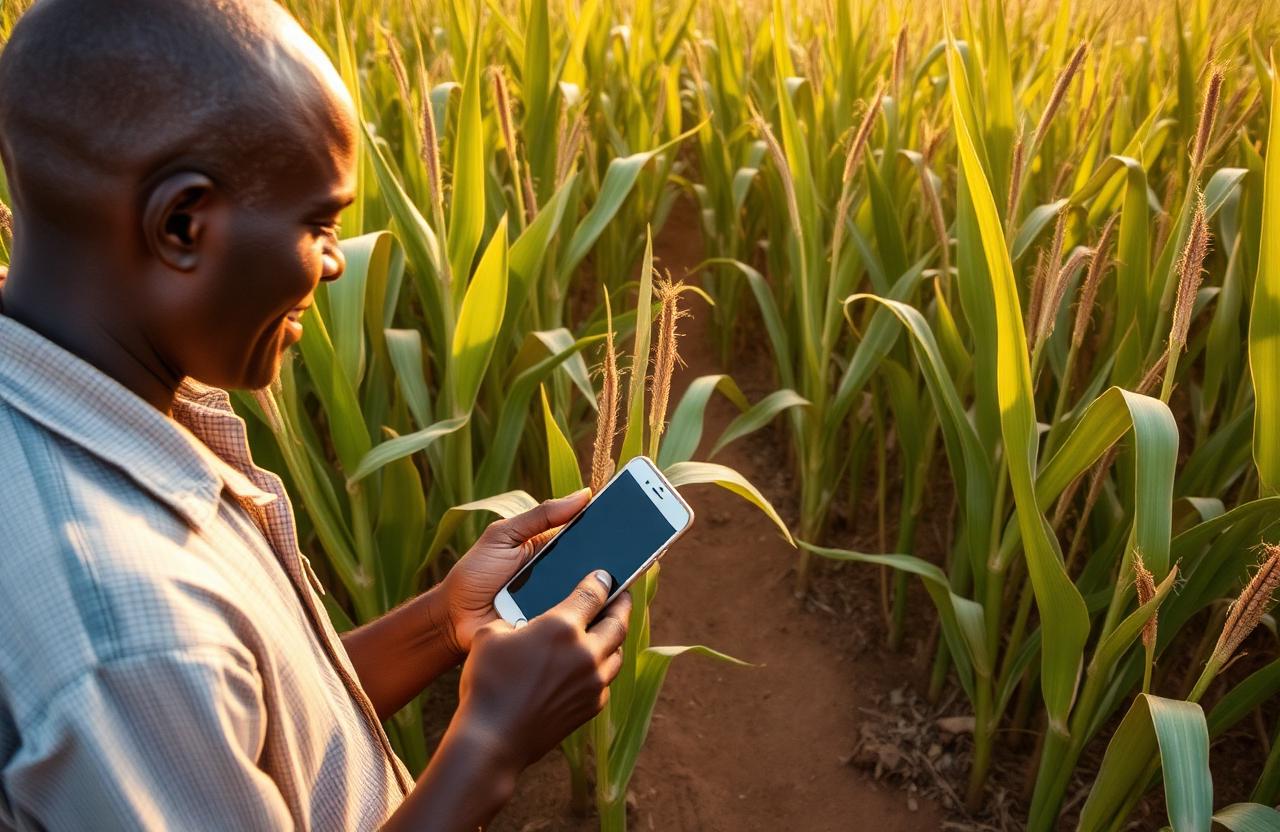
How Precision Agriculture Is Transforming Smallholder Farms in Northern Nigeria
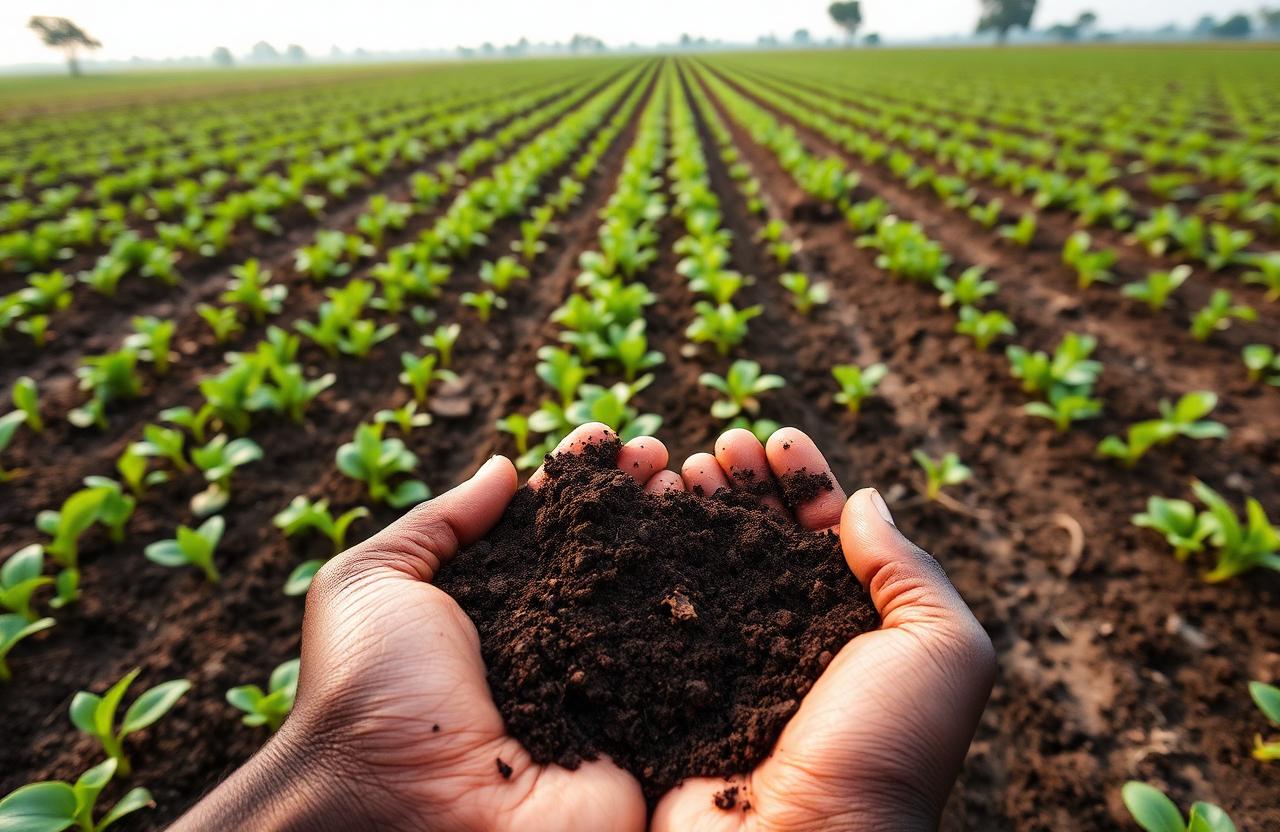
Regenerative Farming Practices Gaining Ground Across the Middle Belt
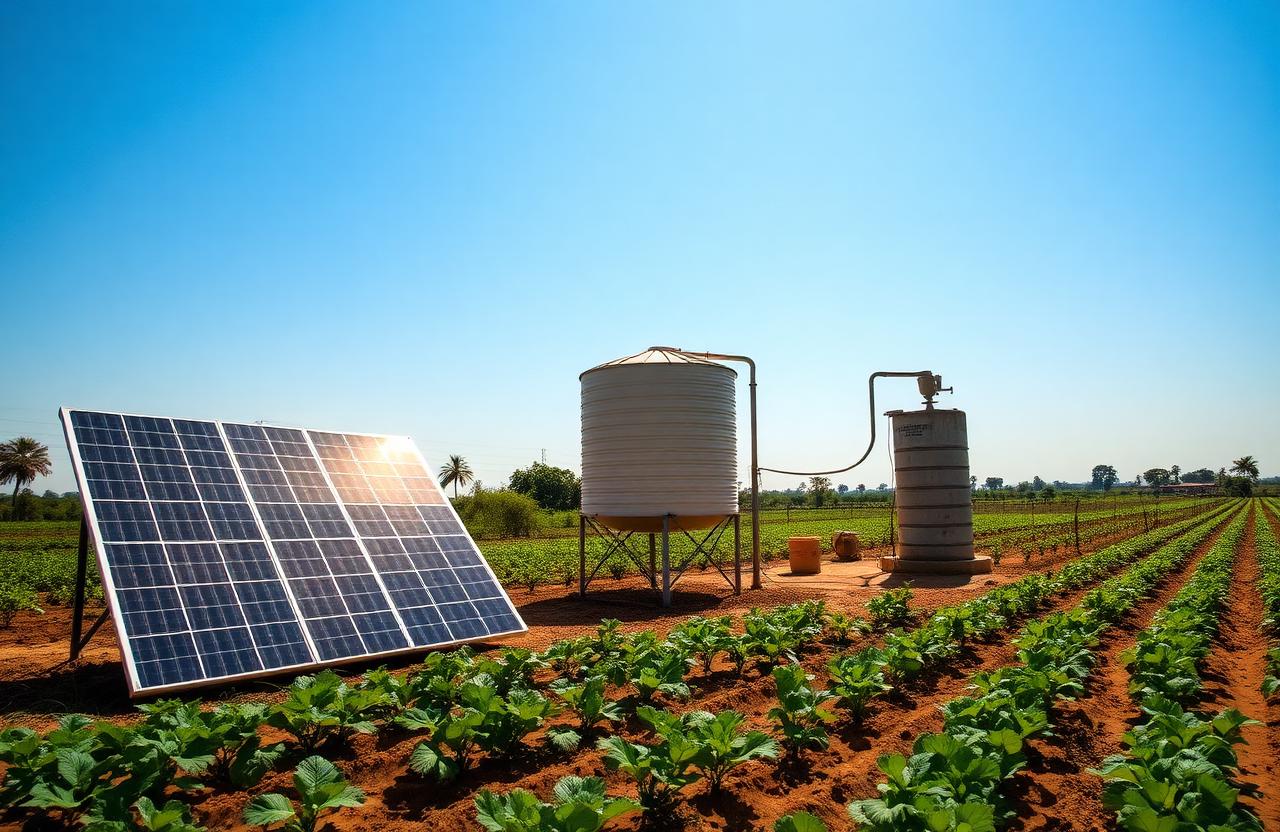
Solar-Powered Borehole Systems: The Game Changer for Dry Season Farming