Is Your Farm Ready for the Wet Season? A Complete Livestock Checklist
Protect your animals from flooding, disease outbreaks, and feed shortages with this pre-season preparation guide.
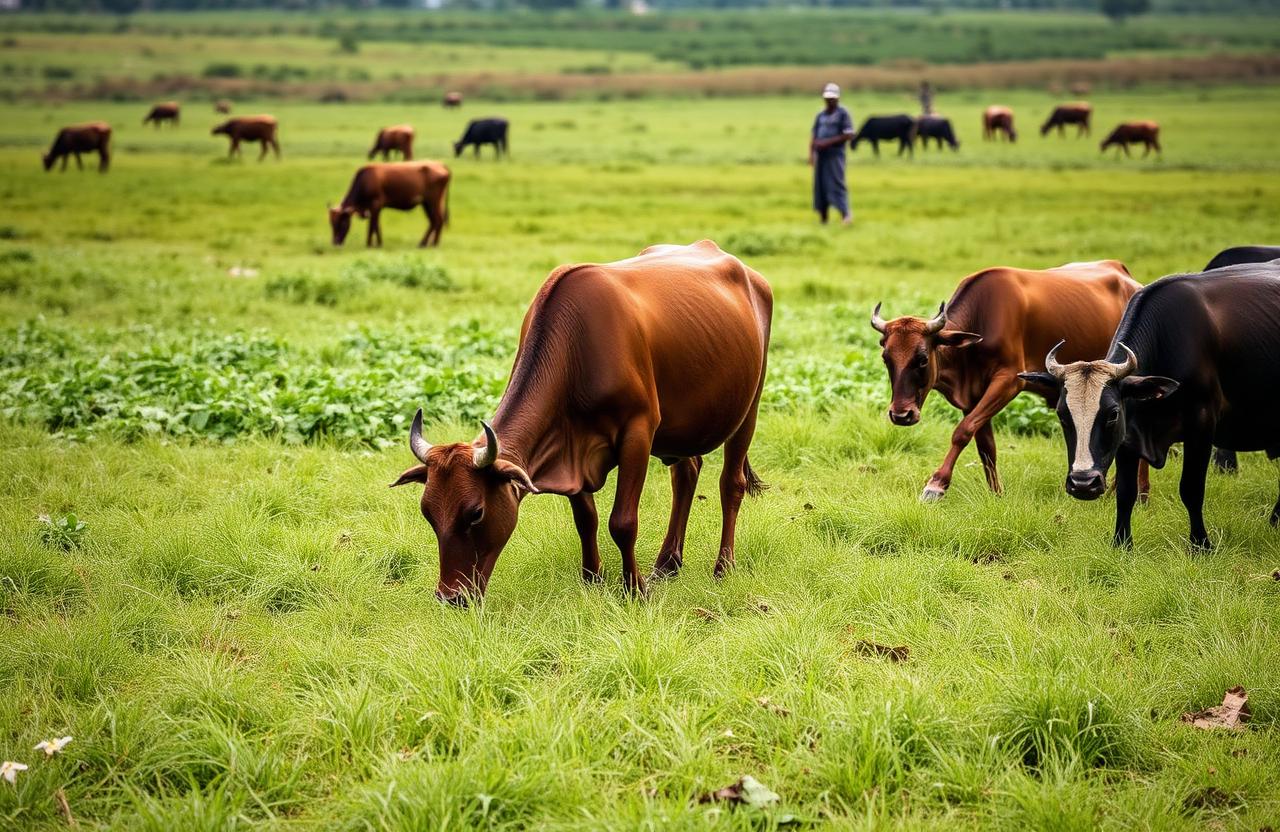
Wet season prep is mostly drainage and vaccination. The farms that survive the season do both before the first heavy rain — not after.
Drainage
Walk every pen at the end of the dry season. Anywhere water pools, dig it out and gravel it in. Standing water is the single biggest source of hoof rot and parasitic load.
Vaccination
CBPP, PPR, anthrax. Confirm cold chain at your supplier — vaccines that warmed in transit will protect nothing.
Feed buffer
Keep at least four weeks of dry feed on hand. Roads close. Suppliers close. Markets close. Your animals still eat.
Shelter and bedding
Inspect every roof before the first storm. A leaking roof in a pen full of small ruminants will cost you more in pneumonia than the repair would have cost in materials. Replace straw bedding weekly during the wet months and keep a dry stockpile under tarp.
Parasite control
Wet season is fluke and worm season. Deworm two weeks before expected rains using a rotation of active ingredients — alternating between albendazole-class and levamisole-class products prevents resistance from building. Re-treat at six weeks if pasture pressure is high.
Water hygiene
Run-off contaminates troughs faster than most farmers realise. Raise troughs above ground level, scrub them weekly, and consider a simple chlorine dose for surface-water sources. Diarrhoea outbreaks in young stock almost always trace back to a dirty trough.
Records and isolation
Set up one isolation pen, away from the main herd, before the season starts. Any new arrival or sick animal goes there for at least 14 days. Keep a simple notebook: date, animal ID, symptom, treatment. Most farmers who lose animals in wet season lose them because they cannot remember what they treated three days ago.
A 14-day countdown checklist
- Day 14: Walk drainage, dig where water pools.
- Day 12: Order vaccines, confirm cold chain.
- Day 10: Repair roofs and fences.
- Day 8: Deworm the herd.
- Day 6: Scrub and chlorinate water points.
- Day 4: Stock four weeks of feed.
- Day 2: Vaccinate.
- Day 0: First heavy rain — you are ready.
Bright covers ruminant health and pastoralist communities.
More from FarmPulse
All →
How Precision Agriculture Is Transforming Smallholder Farms in Northern Nigeria
5 Things Every Nigerian Poultry Farmer Must Know Before Expanding in 2026
Regenerative Farming Practices Gaining Ground Across the Middle Belt